
DES in Parliament
DES Justice UK has grown to more than 500 members since its launch in November and is seeking answers from the government around the use of the drug Diethylstilbestrol, a synthetic form of the female hormone oestrogen, commonly known as DES.
Approximately 300,000 women were prescribed what was believed to be a ‘wonder drug’ between 1938 and the late 1970s to prevent miscarriage and early labour, dry up breast milk and treat menopausal symptoms.
The group is made up of women who took the drug, but also their daughters, sons and granddaughters, who have suffered medical issues as a result such as infertility, reproductive abnormalities and increased risk of a rare cancer. The drug appears to pass on health issues across generations.
Wes Streeting has already apologised to victims (see below) and admitted: “The state got it wrong.” But now campaigners are asking him to go further and launch a full statutory public inquiry to get the answers the victims need.
We are grateful to Layla Moran MP and Jessica Toale MP for raising the issue of DES in Parliament and for their support of our campaign. Their representations on our behalf reflect the growing recognition in Westminster that victims of DES deserve answers, and we hope their efforts will help push the government toward the full statutory inquiry our members need.
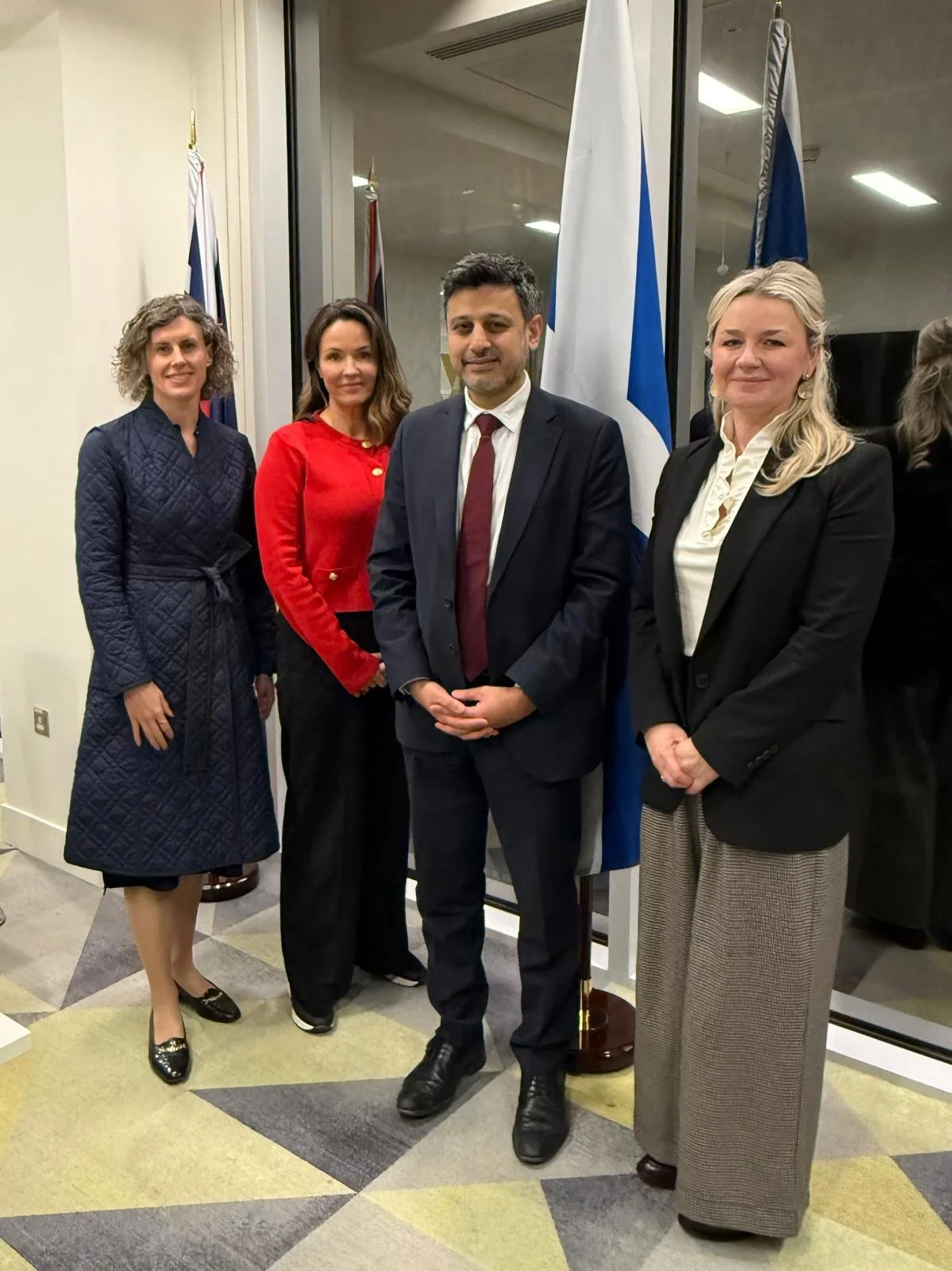
In February 2025, campaigners met with Dr Zubir Ahmed, Minister for Health Innovation and Safety, to press the case for government action. Following the meeting, the Minister issued the following statement:
"I want to thank Susannah Martin and fellow campaigners for their remarkable courage in shedding light on the significant and lasting harm caused by DES.
“Despite women continuing to endure the devastating impacts of the drug a generation on, this issue has been ignored for decades, and health professionals have been unaware of the impacts of DES and the support that should be offered to those exposed for too long.
“As I discussed with Susannah today, this government has worked with cancer alliances to ensure NHS clinicians are aware of the impacts of DES and NHS screening guidance. We're also exploring the need for further clinical guidelines and what can be done to boost research into the long-term and generational impacts of this drug, which will help inform what further action is required.”